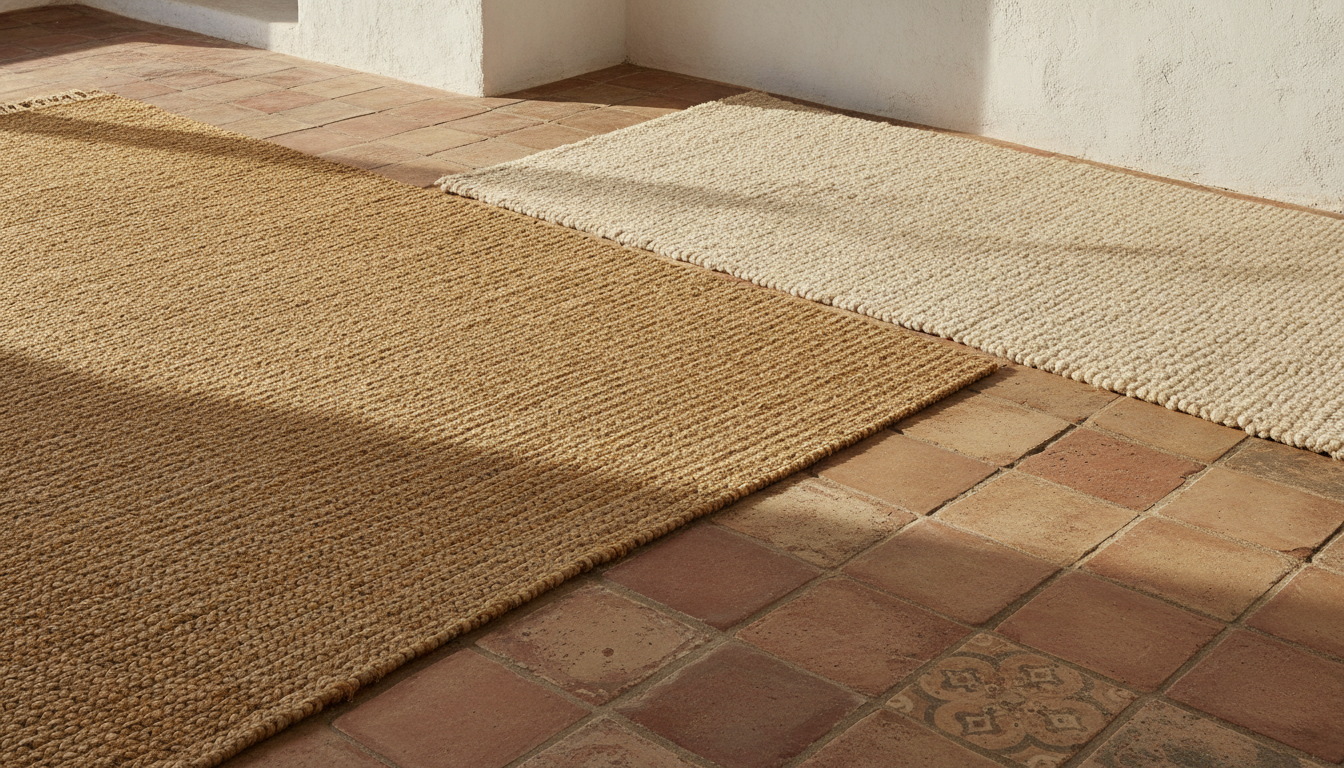
1. Jute in two minutes
Jute is a plant fibre woven flat, usually imported from Bengal. It produces rugs with a raw, warm look in natural golden beige tones, and they are usually sold at a modest price in 160 x 230 cm. It is one of the cheapest natural-fibre rugs on the market, and one of the most common in boho and Mediterranean interiors.
2. Natural fibres compared
| Fibre | Feel | Stain resistance | Suitable rooms | Typical lifespan |
|---|---|---|---|---|
| Jute | rough | very low (absorbent fibre) | dry rooms, light footfall | 2 to 5 years |
| Sisal | coarse, dense | low | studies, dry hallways | 5 to 8 years |
| Cotton | soft, flat | medium (sometimes washable) | bedrooms, small sizes | 3 to 6 years |
| Wool | soft, dense | good (lanolin is naturally protective) | living room, bedroom | 10 to 20 years and beyond |
Wool is the only natural fibre that combines softness, density and genuine protection against stains: its lanolin slows liquids down before they soak in. That detail explains the gap in longevity. Our guide to choosing the right material covers every fibre in detail.
3. What jute does well
- The price: you will struggle to find a cheaper natural fibre.
- The raw look: the visible weave instantly warms up a pared-back interior, especially under a coffee table or in a dry conservatory.
- Layering: it makes an ideal base rug under a second, smaller and softer rug, an interior designer's trick that shields the jute from direct footfall.
- The material footprint: a plant fibre grown with few inputs, and biodegradable.
4. The limits nobody always mentions
- Stains are more or less permanent. The fibre soaks up liquids like a sponge and cleaning with water leaves brown tidemarks. A glass of wine spilt on a jute rug is still visible two years later.
- Damp destroys it. Bathroom, kitchen, outdoors or simply a humid room: jute grows mouldy and falls apart. It belongs only in perfectly dry rooms.
- The feel is rough. Bare feet, children playing on the floor: jute scratches. This is not a comfort rug.
- It frays. The loose weave ages badly under chair legs and pets' claws.
5. Jute, wool or washable: choosing for your use
| Your situation | The right choice | Why |
|---|---|---|
| Natural interior, dry room, small budget | jute (or jute with a soft rug layered on top) | its legitimate home ground |
| A natural look AND lasting comfort | wool rug | softness, density, 10 to 20 years of life |
| Children, pets, meals, footfall | washable rug or Easy Clean | stains come out, whereas jute keeps them |
| Terrace, balcony | outdoor rug in polypropylene | jute does not survive outdoors |
6. Jute at Casemira
Full transparency: our catalogue includes around ten jute rugs handmade in India, best kept, as this guide recommends, for dry rooms with little foot traffic. For a rug you can live on, walk over and clean without anxiety, we chose wool and Tencel, including handmade pieces (some with samples sent to your home); for practicality, our washable and Easy Clean ranges. If jute matches exactly what you need (a dry room, a raw aesthetic), this guide helps you choose it and look after it.
Frequently asked questions
Three Casemira rugs for the living room
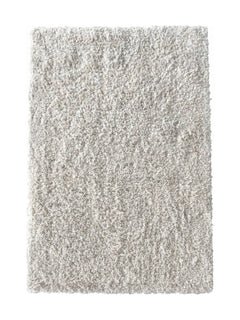
 Pearl Grey 100% Wool Rug - Sentiero
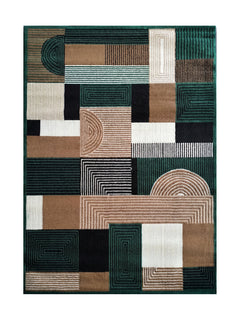
 Wool & Viscose Rug - Grafico
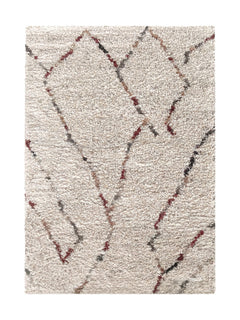
 Blue and Terracotta 100% Wool Rug - Costa
Is a jute rug suitable for a family living room?
Not really. Between meals, children and footfall, stains arrive quickly and jute cannot be cleaned. In a living room that is truly lived in, a dense wool rug or a washable one will serve you far better.
How do you clean a stain on a jute rug?
Blot it up straight away while dry (kitchen paper, fuller's earth), and never soak the fibre: water creates permanent brown tidemarks. If the stain has soaked in, it will probably stay visible.
Does jute work outdoors?
No. Damp makes the fibre go mouldy. For a terrace or a balcony you need UV-treated polypropylene, designed to stay outside.
Jute or sisal, what is the difference?
Both are plant fibres woven flat, but sisal is denser and stands up to wear better, while jute is more golden and cheaper. Neither of them tolerates stains or damp.
Which natural alternative to jute gives a soft finish?
Wool, without hesitation: it is the most durable and most comfortable natural fibre, and its lanolin protects it from stains. Cotton is a useful stopgap in small sizes.
Can you layer a rug on top of jute?
Yes, and it is jute's best use: a large jute base with a smaller, softer rug on top (wool, washable) that takes the footfall and the accidents in its place.
Written by the Casemira team, based in Brittany, France. Find out more about Casemira.